Find Fire Proof Valve IBC Tote for Chemical, Food & Industrial Storage
Source a fire proof valve IBC tote from 30 listed products, including stainless steel IBCs with ball or butterfly outlet valves and sealed breathing options. Compare materials such as SS304, SS316L, and Q235B, certifications, volumes, and MOQs, then contact suppliers for customized configurations and quotes.
Key considerations
Products List


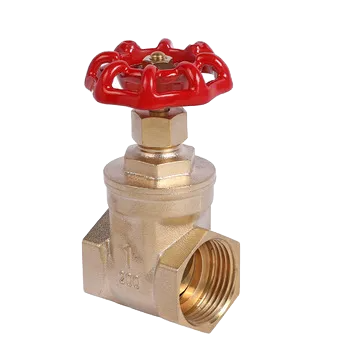


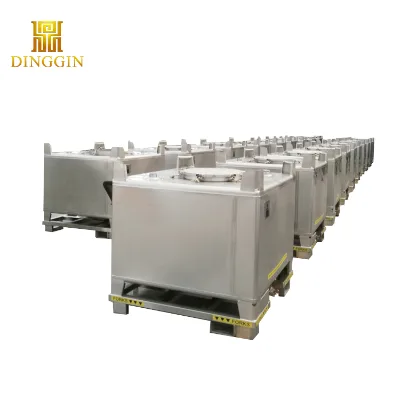


Comprehensive Sourcing Guide
Fire Proof Valve IBC Tote Sourcing Guide
Procuring Intermediate Bulk Containers (IBCs) equipped with fire-proof breathing valves requires a precise alignment between the container's structural integrity and the specific safety requirements of the stored material. These specialized totes are designed to manage pressure differentials while preventing the ingress of external flames, making them critical for handling flammable or hazardous liquids in industrial and chemical environments. Buyers must recognize that the valve is not merely an accessory but a primary safety component that dictates the overall compliance status of the unit. Understanding the interplay between the tank material, the valve mechanism, and the regulatory standards ensures that the selected equipment meets both operational needs and legal safety mandates.
The sourcing process for these units involves evaluating a wide range of configurations, from standard stainless steel models to customized plastic or metal variants. The observed market data indicates a broad spectrum of options, with prices ranging from $0.15 to $5,000 and minimum order quantities (MOQ) varying from 1 to 1,000 units. This variance reflects the diversity in materials, such as SS304, SS316L, Q235B, and plastic, as well as the level of customization required. Buyers should approach this range with caution, as the lower end of the price spectrum may correspond to components or non-standard units, while the higher end typically represents fully certified, heavy-duty stainless steel totes. Clarifying the exact scope of the purchase, including whether the valve is included in the base price or sold separately, is essential for accurate budgeting and supplier comparison.
Product Scope and Observed Listing Signals
The product scope for fire-proof valve IBC totes encompasses a variety of storage and transportation equipment designed for both liquid and solid materials. Listings frequently highlight stainless steel as the primary material, with specific grades such as SS304 and SS316L being common for their corrosion resistance. However, the market also includes options made from plastic and metal tanks, such as Q235B, which may be suitable for less aggressive chemical applications. The observed volume range is typically around 1 to 2 cubic meters, with 1000L being a standard model designation. Buyers must verify that the specific material grade matches the chemical compatibility of the intended cargo, as stainless steel is preferred for food-grade and high-purity chemical applications, while other materials may be used for general industrial purposes.
Listing signals often indicate that customization is a significant factor in the final product configuration. Attributes such as "Customized" and "OEM, ODM, OBM" support suggest that suppliers are willing to modify standard designs to meet specific client requirements. This includes adjustments to the manhole diameter, which can be 450mm or sized to user needs, and the type of outlet valve, which may be a ball valve or butterfly valve. The presence of optional features like heating coils and specific breathing valve types, such as seal or fire-proof valves, indicates that the base unit is often a platform for further specification. Buyers should request detailed technical sheets that explicitly list which components are standard and which are optional, ensuring that the fire-proof valve is not an afterthought but an integrated part of the design.
Technical Specifications to Verify
When verifying technical specifications, the container wall thickness is a critical parameter that affects the structural durability and pressure resistance of the IBC. Observed data shows wall thicknesses of 2.5mm and 3.0mm, which are typical for stainless steel totes designed to withstand stacking and transport stresses. Buyers should confirm that the wall thickness is consistent across the entire tank, including the bottom and sides, to prevent weak points that could lead to leakage or deformation. Additionally, the external dimensions, such as 1150x1150x1170/1135 mm, must be checked against the dimensions of the storage facilities and transportation vehicles to ensure proper fit and stackability. The fork height of 78mm is another specific dimension that must align with the forklifts used in the warehouse to facilitate safe and efficient handling.
The specifications for the breathing valve itself require detailed scrutiny to ensure it meets the fire-proof requirements. The valve should be designed to prevent flame propagation into the tank while allowing for the release of pressure during filling or temperature changes. Buyers should verify the valve's certification and test data, ensuring it has been tested under relevant fire conditions. The discharge port size, often DN50, must be compatible with the filling and emptying equipment used in the facility. Furthermore, the manhole size and its sealing mechanism are crucial for maintenance and inspection; a 450mm manhole is common, but buyers should confirm that the seal is robust enough to maintain the integrity of the tank during long-term storage. The serving life of the equipment, often stated as more than 10 years, should be supported by material certifications and warranty terms.
Compliance and Safety Documentation
Compliance with international standards is non-negotiable for IBC totes used in the transport of hazardous materials. The observed standards include CCS and IMDG UN31 / 11 A/Y, which are critical for maritime and international shipping. Buyers must ensure that the supplier provides valid certification documents proving that the IBC and its components, including the fire-proof valve, meet these standards. The approval "Imdg Un31A/Y" indicates that the container is suitable for the transport of dangerous goods, and this certification should be verified against the specific class of the material being stored. Failure to provide these documents can result in shipment delays, fines, or rejection of the cargo by shipping lines and customs authorities.
In addition to transport standards, the safety documentation should include material test reports and quality assurance certificates. For stainless steel totes, the material should be certified as SS304 or SS316L, with mill test certificates confirming the chemical composition and mechanical properties. The fire-proof valve should have its own set of test reports, demonstrating its ability to withstand fire exposure without failing. Buyers should also request documentation on the manufacturing process, including welding procedures and non-destructive testing results, to ensure that the tank is free from defects. This level of documentation is essential for maintaining a robust safety record and for passing audits by regulatory bodies and insurance companies.
Cost Drivers and Commercial Terms
The cost of fire-proof valve IBC totes is influenced by several key factors, including the material grade, the level of customization, and the quantity ordered. Stainless steel totes, particularly those made from SS316L, are generally more expensive than those made from SS304 or plastic due to the higher cost of the raw material and the complexity of fabrication. The observed price range of $0.15 to $5,000 reflects this variability, with the lower end likely representing components or small-scale orders, while the higher end corresponds to fully customized, high-capacity units. Buyers should request itemized quotes that break down the cost of the tank, the valve, the pallet or saddle, and any additional features such as heating coils or custom manholes. This transparency helps in identifying areas where costs can be optimized without compromising safety or quality.
Commercial terms, including payment methods, lead times, and warranty conditions, also play a significant role in the total cost of ownership. The observed MOQ range of 1 to 1,000 units suggests that suppliers are flexible in their order requirements, but buyers should negotiate terms that align with their inventory needs and cash flow. Payment terms, such as advance payment or letter of credit, should be clearly defined to mitigate financial risk. Lead times for customized orders can be longer than for standard units, so buyers should plan their procurement schedule accordingly. Warranty terms should cover defects in materials and workmanship, with a clear process for claiming repairs or replacements. Understanding these commercial terms helps in making an informed decision that balances cost, quality, and service.
Supplier Qualification and Quality Control
Qualifying a supplier for fire-proof valve IBC totes involves assessing their manufacturing capabilities, quality control processes, and track record in the industry. Suppliers should have a proven history of producing IBCs that meet international standards, with a portfolio of clients in the chemical, food, and industrial sectors. The observed origin of the products, such as Dalian, China, and Zhejiang, China, indicates that many suppliers are based in regions with strong manufacturing infrastructure. Buyers should visit the supplier's facility or request a virtual tour to evaluate their production lines, testing equipment, and quality control labs. This due diligence helps in ensuring that the supplier has the capacity and expertise to deliver high-quality products consistently.
Quality control is a critical aspect of supplier qualification, and buyers should request detailed information on the supplier's quality management system. This includes the use of certified materials, adherence to welding standards, and the implementation of non-destructive testing methods such as ultrasonic or radiographic testing. The supplier should also have a robust inspection process for the fire-proof valve, ensuring that each unit is tested for fire resistance and pressure integrity. Buyers can request samples for independent testing to verify the supplier's claims. Additionally, the supplier's ability to provide after-sales support, including technical assistance and spare parts, is an important factor in long-term partnership. A supplier with a strong quality control system and a commitment to customer service is more likely to deliver reliable and safe products.
Long-Term Procurement Checks
Long-term procurement of fire-proof valve IBC totes requires a strategic approach that considers the lifecycle of the equipment and the evolving regulatory landscape. Buyers should establish a regular inspection and maintenance schedule for the IBCs, including checks on the integrity of the tank, the functionality of the breathing valve, and the condition of the pallet or saddle. The serving life of the equipment, often stated as more than 10 years, should be monitored through periodic testing and documentation. This proactive approach helps in preventing failures and extending the useful life of the equipment, reducing the need for frequent replacements. Buyers should also keep records of all inspections and maintenance activities to demonstrate compliance with safety regulations.
As regulations and standards evolve, buyers must stay informed about changes in international shipping rules and safety requirements. The IMDG Code and other relevant standards are periodically updated, and buyers should ensure that their IBCs remain compliant with the latest versions. This may require upgrading or replacing certain components, such as the breathing valve, to meet new safety criteria. Establishing a long-term relationship with a supplier who is committed to staying current with regulatory changes can provide valuable insights and support. Buyers should also consider the environmental impact of the equipment, including the recyclability of the materials and the disposal of the IBCs at the end of their life. A holistic approach to long-term procurement ensures that the equipment remains safe, compliant, and cost-effective over its entire lifecycle.
FAQs
What is the standard manhole diameter for fire proof valve IBC totes?
The standard manhole diameter is 450mm, though suppliers can provide custom sizes based on specific operational needs. This dimension ensures adequate access for cleaning and inspection while maintaining structural integrity for liquid and solid storage applications.
Which materials are commonly used for fire proof valve IBC tote construction?
Common materials include SS304, SS316L, Q235B, and general stainless steel. These materials offer varying levels of corrosion resistance and durability, suitable for chemical, food, and industrial applications where safety and longevity are critical.
Can fire proof valve IBC totes be customized for specific storage requirements?
Yes, customization is available for features such as manhole size, outlet valve type, and heating coils. Buyers can specify requirements for ball or butterfly valves and choose between PE film or steel pallet packaging to suit their logistics needs.
What certifications are required for fire proof valve IBC totes?
Key certifications include ISO and IMDG UN31A/Y approvals. These standards ensure the totes meet international safety and transport regulations, particularly for hazardous materials, providing assurance for compliance in global supply chains.
How long is the expected serving life of a fire proof valve IBC tote?
The expected serving life is more than 10 years with proper maintenance. This longevity is supported by robust construction using materials like SS304 and SS316L, which resist corrosion and wear in various industrial environments.
What is the typical volume capacity of fire proof valve IBC totes?
The typical volume capacity is 1 to 2 cubic meters, with 1000L being a common model size. This capacity balances efficient transport with manageable handling for most industrial and food-grade liquid storage applications.
Which valve types are available for fire proof valve IBC totes?
Available valve types include ball valves and butterfly valves for the outlet. Additionally, breathing valves can be configured as seal or fire-proof valves to enhance safety and prevent contamination during storage and transport.